

How Judgement Fails Before Money
By Ali Ansari & Farrukh Zareef
It is never just one person.
To bring down a company like First Brands or any of the giants before it, you need a crowd of complacent, incompetent, or greedy individuals.
Executives who treat debt as strategy, bankers chasing yield, auditors soothing themselves with “materiality,” rating agencies consumed by models and investors dazzled by sophistication.
Everyone assumes someone else is checking or know that no one is. By the time reality demands cash, the truth has already been spent.
Financial collapses aren’t acts of genius; they’re failures of judgment. Too many clever people decide that it is not their problem.
The Fault Line in Modern Finance
First Brands’ downfall followed a familiar pattern: every working-capital lever pulled at once. Receivables sold, inventory financed, payables stretched.
Tools designed to improve liquidity became instruments of fragility. When tariffs hit, the structure snapped. What failed was not innovation, it was judgment.
The same flaw connects Enron, Greensill, Wirecard, Evergrande, and NMC Health: ambition unchecked by skepticism.
When Illusions Meet Reality
Each collapse wore the badges of legitimacy from several reputable parties.
- Enron (USA) — ≈ US $74 B lost. Off-balance-sheet debt and inflated profits. Analyst questions exposed hidden liabilities.
- Greensill (UK / AUS) — > US $10 B. Receivables re-pledged; “future” invoices sold as current. Withdrawal of insurance exposed the asset quality.
- Evergrande (China) — > US $300 B. Off-book financing and inflated valuations masked leverage. Tight credit and falling sales exposed hidden debt.
- Wirecard (Germany) — ≈ US $2 B. Non-existent cash and fake merchant revenues booked as assets. Whistleblower exposed fraud.
- NMC Health (UAE) — ≈ US $4 B. Undisclosed loans and falsified bank statements inflated assets. Short-seller scrutiny exposed hidden debt.
Each collapse had the same support system:
- Global audit firms
- Financed by Regulated Global banks
- Covered by Major credit ratings agency
Can Machines Show Better Judgment Than Humans?
These were not data failures; they were failures of judgment. The numbers told the story of receivables rising faster than sales, leverage outpacing profit, but people looked away. Greed rewarded silence.
AI has no ego, gets no bonus and has no clients to impress. A well-trained model would flag every anomaly: duplicated invoices, mismatched cash flow, ratings divorced from fundamentals.
Machines don’t rationalise; they report. But technology only amplifies the culture it serves. Feed it biased data, and it will automate human blindness. Used well, it can restore what finance has lost “the discipline of doubt”.
AI can see patterns we ignore, but not motives we conceal. Judgment still belongs to us.
Window Dressing: The Oldest Illusion in Accounting
Window dressing is as old as accounting itself. Long before algorithms and structured finance, businesses learned how to make the numbers look better to i.e. dress the window for passing investors.
Shift a few payables, revalue inventory, record a sale a few days early and the same business suddenly looks more liquid, more profitable, more investable.
The mechanics have evolved, but the motive has not. From 19th-century ledgers to modern fintech dashboards, window dressing remains the most elegant form of deception: not outright fraud, just selective truth.
Each major collapse perfected this art of using legitimate tools to create the illusion of liquidity.
Working Capital Structures
Every working capital finance arrangement exists to solve a specific problem. It works when applied with judgment and restraint. It is the collective responsibility of management, funders, and solution providers to ensure the right instrument is used for the right purpose. Abusing these structures is like putting your poodle in the washer–dryer and then blaming the machine for its death
Receivables Finance
- Types of solutions: Buy Now Pay Later, Channel Finance, Point of Sale Finance, Receivables Sale, Invoice Factoring, Contract Finance
Used well: unlocks liquidity for suppliers and customers, smooths cash flow, transfers risk transparently.
Abused: receivables re-pledged to multiple funders, fictitious invoices, quarter-end window dressing.
Best practice: true sale of verified invoices; maturity aligned with contracts; proper credit bureau filings.
Payables Finance
- Types of solutions: Supplier Finance, Purchase Order (PO) Finance, Payables Finance
Used well: helps buyers extend payment terms responsibly while giving suppliers early-payment options.
Abused: excessive stretching of payables, buyers covering hidden interest costs.
Best practice: terms consistent with industry norms, transparent disclosures, fair treatment of suppliers.
Inventory Finance
- Types of solutions: Off balance sheet / SPV transfer, Re-invoicing via intermediary, Asset-Based Lending (ABL) Distributor Finance.
Used well: frees up cash tied in stock, maintains supply stability without overleveraging.
Abused: inflated or double-pledged inventory, hidden SPVs (special purpose vehicles).
Best practice: vendor-managed or just-in-time inventory, smart incoterms, distributor finance.
The Last Line of Defence
Finance does not collapse because numbers are complex; it collapses because no one asks if they make sense.
Auditors trust management. Funders trust auditors. Investors trust ratings. And everyone trusts that someone else is responsible.
AI can’t replace judgment, but it can remind us to use it.
The safeguard is not smarter Maths, it is moral courage: the willingness to question easy profits, elegant models, and the myth of perpetual growth.
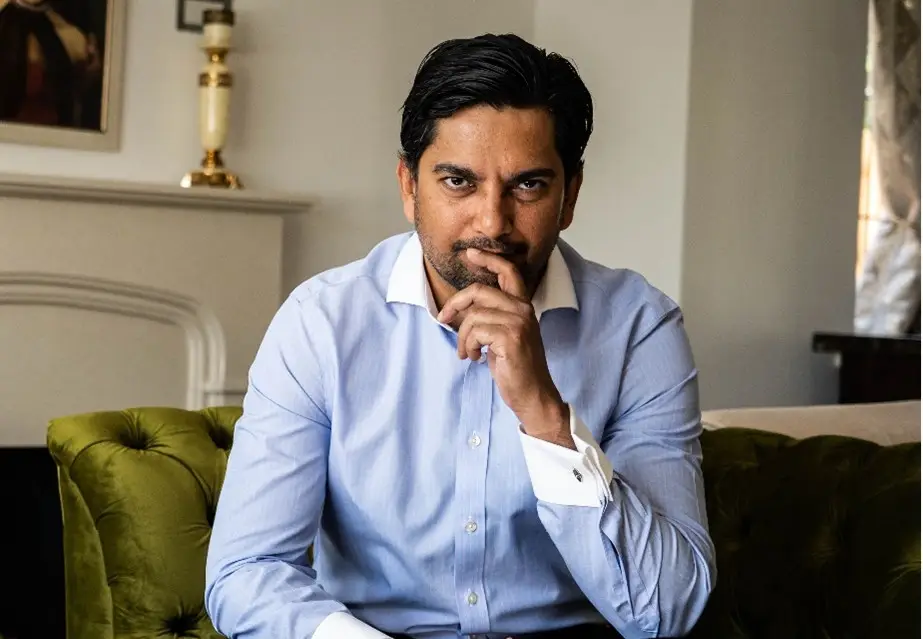
Ali is a seasoned fintech and banking professional who specializes in transforming businesses through innovative working capital, trade and supply chain finance strategies.
Over the past 25+ years, Ali has helped top tier banks and technology companies including, J.P. Morgan, HSBC and SAP develop and grow profitable businesses and serve thousands of their clients across the world. Ali has hands-on experience of solving problems for businesses operating in diverse industries, economic and geo-political landscapes in Asia, Middleast and Europe
Ali is passionate about solving problems and building sustainable businesses and relationships and helps businesses in driving business development, technology innovation, strategic partnerships & cusiness transformation.